Northern Italy vs Southern Italy: A Divide That Reveals Two Italian Souls
- Victoria Di Cala (BC)

- Apr 27
- 2 min read
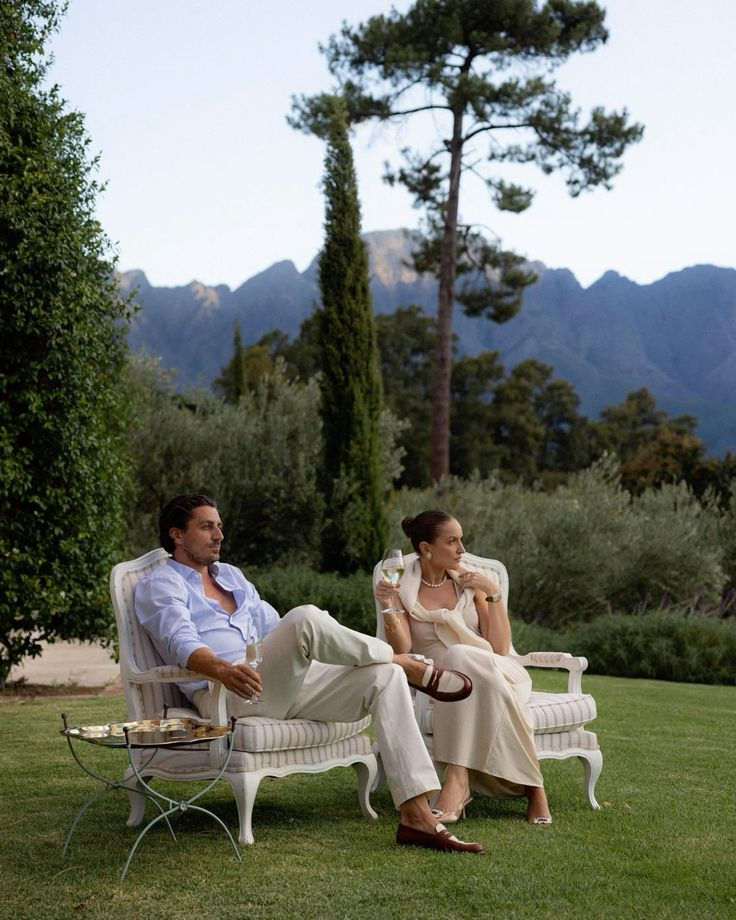
Two Italies that complement each other, ©P Two Italies that complement each other, ©P Two Italies that complement each other, ©P
Two Italies that complement each other, ©P
Milan or Naples? Between northern precision and Mediterranean warmth, Northern and Southern Italy regard each other with as much curiosity as prejudice. Each sees in the other a form of exoticism: the North may admire southern vitality, while the South envies northern discipline. Yet this bittersweet tension is precisely what shapes the richness of the Italian spirit—two ways of life that both complement and challenge one another.
Two Italies, two worlds. On one side, the industrial, finely tuned rhythm of Milan; on the other, the sun-drenched languor of Naples. This divide is not merely geographical—it plays out in everyday life, in how people perceive time, work, family, and even politeness. Why do these two Italies struggle to appreciate each other? Because each reflects a distorted image of the other, amplified by stereotypes that obscure their potential complementarities.
The North: efficiency and restraint
In Milan or Turin, time is a resource to be optimized. People wake early, plan ahead, and keep to schedules. Coffee is taken standing at the bar, in three brisk minutes. Success is measured by punctuality and the ability to be “professional” above all else. Human interactions are polite but reserved: familiarity is rare, and communication is direct. This pragmatic, efficiency-driven mindset produces an orderly society in which the individual takes precedence over the collective.
The South: warmth and improvisation
In Naples or Calabria, time stretches. Coffee becomes a twenty-minute conversation with the barista. Life is improvised, adaptable, lived in the moment. Family is the center of everything; meals last for hours; embraces are immediate and sincere. Here, success is not measured by the clock but by one’s ability to create connection, to turn constraints into social opportunities. Life is lived loudly, intensely, passionately.
Why the mutual rejection?
The North often sees the South as undisciplined, noisy, and “unserious.” To a Milanese, a Neapolitan arriving late with extended family in tow embodies chaos. The South, in turn, views the North as cold, calculating, and lacking heart. To a Southerner, a Lombard who declines a spontaneous invitation or negotiates everything can seem like a soulless machine.
These judgments are far from trivial—they reflect fundamentally different worldviews. The North values order and control; the South, fluidity and human connection. Each feels superior within its own paradigm: “they’re disorganized” versus “they’re inhuman.” This mutual mistrust crystallizes in everyday interactions—a delay, an overly familiar gesture, an overly direct request—and is reinforced by physical distance.
Beyond the stereotypes
Yet these apparent oppositions conceal obvious complementarities. The North needs southern creativity and warmth to avoid becoming rigid in its pursuit of efficiency. The South could benefit from integrating a measure of northern discipline to turn its potential into tangible reality. Italy as a whole thrives on this tension: the North’s rigor and the South’s genius for improvisation.
The real question is not “who is right?” but rather “how can these differences coexist without being reduced to caricature?” Perhaps the answer lies in embracing what makes Italian excellence unique: a country capable of being both precise and passionate, structured and free.