Italy's Most Beautiful Beaches Aren't All Alike
- La rédaction

- May 7
- 3 min read
Updated: May 14
Four beaches reveal the new Italian coastal management
In Italy, talking about the "most beautiful beaches" inevitably oversimplifies a far more complex system. The Italian coastline varies widely—not just in shape, but in usage: shaped by geography, but above all by how it's made accessible and woven into the tourist fabric. Some beaches remain hard to reach and thus better controlled; others are fully embedded in organized systems; still others occupy a middle ground where tourist pressure is rising but not yet overwhelming. These differences now define a beach destination's true value.
Selecting four beaches means observing four distinct models of management and use, rather than ranking them.
Spiaggia dei Conigli, Lampedusa — Isolation and Access Control

Rabbit Beach exemplifies the balance between environmental protection and tourist use. Located on Lampedusa, it's reached via a pedestrian path and regulated to limit visitors. The trail winds down through pale rocks and low scrub, sunlight already glinting off the ground by early morning. Once there, the water stays shallow for several meters, with the seabed visible far from shore—an element enhancing the site's crystalline clarity. This controlled access has preserved the site's integrity, avoiding summer overcrowding. The experience demands planning, which ensures consistently high quality compared to more accessible spots.
Cala Goloritzé, Sardinia — The Value of Distance

In Sardinia, Cala Goloritzé stands in stark contrast to easily reached beaches. No cars allowed: access is by hiking trail or sea, with strict boat limits. The footpath crosses limestone slabs and Mediterranean scrub, steep gradients signaling from the start that this isn't an easy outing. On the beach, pale pebbles and cooler water—even midsummer—create a distinct sensory shift. Recent entry tickets and tighter checks have solidified this model, turning remoteness into a management tool rather than a drawback.
Lama Monachile, Puglia — A Scenic Cove Between Rock and Town

Lama Monachile beach in Polignano a Mare, Puglia, offers a model distinct from both isolated strands and fully urbanized ones. Here, sea meets built environment in dramatic fashion: the cove wedges between towering cliffs, forging a direct yet visually striking link to the historic center.The shore is mostly pebbles, with depths dropping fast to heighten the rock-sea contrast. Sheer walls and overhanging architecture enclose a compact, instantly recognizable space, naturally capping its spread. This setup yields a unique equilibrium: the beach draws crowds and Instagram fame, yet its geology keeps pressures contained. Peak-season tourism is intense but confined, avoiding sprawl across surrounding land.
Elba Island, Tuscany — A Discreet, Distinctive Model
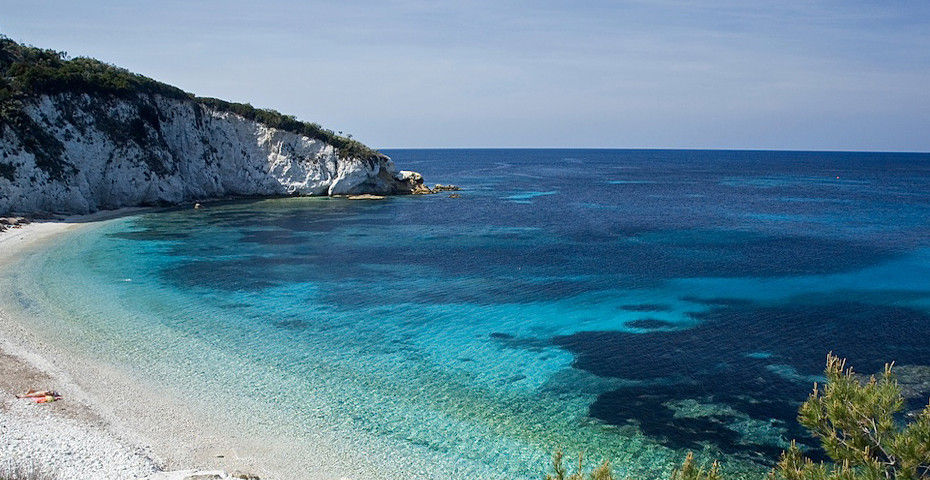
Unlike southern Italy's high-profile spots, Elba Island in Tuscany follows a lower-key path that's steadily gaining appreciation. Set in well-preserved nature, its beaches lie off secondary roads and paths that encourage slower, more mindful visits. Shores mix sand and gravel amid thick maquis that shapes the landscape. Minimal balneare infrastructure keeps things open and genuine, nurturing direct contact with the land. It meets a different demand—less service-driven, more immersive. Tourist pressure exists, especially summer peaks, but spreads more evenly than at entrenched hotspots.
Four Models, One Direction
These four beaches aren't just famous Italian destinations; they embody distinct shoreline management approaches. Controlled isolation, physical remoteness, total accessibility, and unstructured natural models reflect deliberate choices, often balancing preservation and use. Today, a beach's "beauty" isn't standalone. It hinges ever more on regulation, access, and long-term care.
Rather than naming the best beaches, the real question is: which models will prove sustainable?
Co-writting by: Luca Gentile and Victoria di Cala (BC)